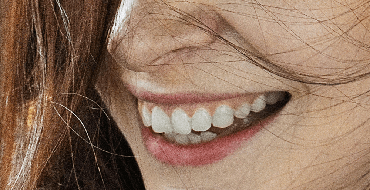

Tooth Discoloration And Teeth Discoloration: Causes, Types, And Professional Treatment
Confidence levels can take a serious hit due to the presence of teeth stains when smiling. Tooth discoloration is a common cosmetic concern that can be caused by lifestyle habits, aging, or underlying issues. There are two main types of tooth discoloration: extrinsic (surface tooth enamel stains) and intrinsic (internal tooth stains). Stains typically appear white, yellow, brown, grey, or black and require professional treatment to be safely and effectively removed. This article will reveal important facts on tooth discoloration, including causes, types, and treatments.

What Is Tooth Discoloration?
What is tooth discoloration? A simple definition of teeth discoloration can be explained as the change in natural tooth color due to surface stains or internal tooth changes. The natural shade of healthy teeth varies for everyone, but tends to range from off-white to different shades of light yellow/gray with a slightly smooth and translucent appearance. However, a tooth may become notably discolored from its natural shade to an abnormal white, yellow, brown, grey or black for various reasons.
Common Causes Of Tooth Discoloration
So, what causes tooth discoloration? There are several preventable and non-preventable causes of tooth discoloration worth understanding. Preventable causes are often caused by lifestyle habits and affect the outer enamel layer. Non-preventable causes typically affect the inner layers of teeth due to genetic or medical reasons.
The common causes of tooth discoloration include:
Preventable Causes:
- Dietary Habits: Certain foods and beverages with dyes, acids, pigments, and compounds (i.e., tannins) lead to tooth discoloration over time. Common culprits include coffee, tea, red wine, soda, tomato-based items, soy sauce, berries, and curry.
- Tobacco Use: Ingredients within tobacco (smoking and chewing), like nicotine and tar, are well-known for causing brown or yellow staining. Tobacco use also increases the risk of developing several other oral health conditions that promote teeth and gum staining, including gum disease, tooth decay, dry mouth, smoker's melanosis (darkened gums), and oral cancer.
- Poor Oral Hygiene/Tooth Decay: Improper brushing and flossing habits can lead to the accumulation of bacterial dental plaque. Dental plaque hardens into calculus/tartar, which is naturally yellow. If untreated, tooth decay/cavities develop, which also causes tooth discoloration. Early decay may appear as white spots on the teeth, which may change to yellow, brown, or black as the decay progresses into deeper layers of the teeth.
- Excessive Fluoride Intake During Tooth Development: When fluoride is used at unsafe levels, a condition known as fluorosis can develop during childhood tooth development. Mild fluorosis commonly presents as chalky white spots on the teeth. In severe cases of fluorosis, teeth can present with brown, grey, or black stains along with rough and pitted tooth enamel.
Non-Preventable Causes:
- Aging: Tooth enamel naturally wears down with age, which results in increased exposure of the inner dentin layer. Dentin is naturally yellow in color, which becomes more visible as tooth enamel thins over time.
- Trauma: An injury to a tooth can cause damage to the tooth's inner pulp layer, which contains the tooth's blood vessels and nerves. This can lead to a condition known as pulp necrosis, or dental pulp death, which often causes the tooth to turn gray or black.
- Medications: Certain vitamins or medications, including antibiotics like tetracycline, can cause tooth staining when taken during tooth development periods (i.e., pregnancy, infancy, and early childhood). Consult with your doctor regarding medication use and potential side effects like teeth staining.
- Genetics: Hereditary genes can influence tooth discoloration by playing a role in determining enamel thickness, translucency, color, and susceptibility to staining.
- Medical Conditions: Some medical conditions impact tooth enamel development (i.e., amelogenesis imperfecta) and cause the teeth to develop with stains and other abnormalities. In addition, medical treatments for conditions like cancer, such as chemotherapy and radiation, can cause tooth discoloration.
Types Of Tooth Discoloration
Tooth discoloration can be a result of many contributing factors. Discoloration may manifest itself differently depending on the exact cause. Here's a breakdown of the various types of tooth discoloration and their unique characteristics.
Extrinsic Discoloration
Extrinsic stains affect the outer enamel layer of the tooth and tend to appear yellow, white, or brown. This type of tooth discoloration is commonly caused by food, beverages, poor oral hygiene, and smoking. Since the stains are superficial, they can often be treated with professional cleanings and cosmetic procedures like teeth whitening.
Intrinsic Discoloration
Intrinsic discoloration refers to tooth discoloration occurring within the inner layer of teeth (dentin). Dental trauma and certain antibiotics, antihistamines, and high blood pressure medications have been found to cause internal dentin changes, making teeth often appear uniformly yellow or gray in color. These deep internal stains typically require professional internal bleaching treatment or permanent dental restorations (i.e., bonding, veneers, or crowns) to be concealed.
Fluorosis
Dental fluorosis is a condition that occurs when excess fluoride is ingested while teeth are developing during pregnancy or childhood (ages 0–8). This condition is commonly caused by consuming high concentrations of fluoride in baby formula, water, toothpaste, mouthwash, or supplements. Fluorosis causes permanent tooth discoloration, including white/chalky or brown spots. In severe cases, tooth enamel may become pitted with small holes. Treatment requires permanent restorations to cover stains, including teeth whitening, enamel microabrasion, dental bonding, veneers, or crowns.
Tetracycline Staining
Tetracycline is a popular antibiotic used to treat bacterial infections. Tooth discoloration is a side effect of long-term tetracycline use in adults, during pregnancy for the developing child, or in children up to 8 years of age during tooth development. Tetracycline causes intrinsic staining, which appears as yellow, blue, gray, or brown horizontal bands on teeth. These permanent stains often require cosmetic restorations like dental veneers or crowns to improve tooth appearance.
Trauma-Related Discoloration
Trauma can lead to intrinsic discoloration of the tooth, commonly due to internal bleeding, nerve damage, or pulp tissue death (pulp necrosis). Teeth impacted by trauma often appear gray, yellow, or pink. Urgent evaluation from a dental professional is essential to avoid serious health complications, including infection and permanent tooth loss. If the tooth is still alive, routine monitoring and cosmetic treatment like veneers, crowns, or dental bonding may be recommended. For non-living teeth, common treatments include internal bleaching or root canal therapy.
| Discoloration Type | Appearance | Common Causes | Best Treatment Options |
|---|---|---|---|
| Extrinsic | White, yellow, brown, or black surface stains on tooth enamel. | Foods, beverages, and poor hygiene. |
|
| Intrinsic | Yellow, brown, gray, black, blue, or pink hues inside the tooth. Cavitations may be present with severe tooth decay. | Trauma, medication, aging, and tooth decay. |
|
| Fluorosis | White/chalky patches, brown spots, and enamel pits. | Excessive fluoride intake during childhood or pregnancy. |
|
| Tetracycline Staining | Yellow, blue, gray, or brown horizontal bands on tooth enamel. | Antibiotic use during tooth development or long-term adult use. |
|
Symptoms And Warning Signs Of Tooth Discoloration
Discolored teeth signs and symptoms should be evaluated immediately by a dental professional. Tooth discoloration is not only a cosmetic concern impacting self-confidence, but also a possible indicator of underlying oral health issues like dental trauma, infection, tooth decay, or enamel loss. Early evaluation is key to preventing serious health consequences, including permanent tooth damage, infections, and tooth loss.
Key tooth discoloration symptoms and signs requiring prompt evaluation include:
- Yellow/brown/gray/black/blue/pink teeth
- White or dark spots/streaks
- Translucent tooth edges
- Single dark tooth
- Uneven color between teeth
- Tooth pain and sensitivity
- Tooth enamel surface changes (i.e., pits, holes/cavitations, soft texture)
- Accumulation of dental plaque/food debris
- Hardened yellow or black stains near the gumline
Why Tooth Discoloration Requires Professional Treatment?
If you notice changes to your tooth color, seek professional evaluation from your dentist before attempting any over-the-counter (OTC) treatments. OTC products cannot fix tooth discoloration complications and are often associated with risks and side effects like tooth sensitivity, gum irritation, enamel damage, uneven results, missing underlying decay or other issues. For instance, when compared to OTC whitening treatments, professional teeth whitening benefits include safer, faster, longer-lasting, more effective, and customized results.
A dentist is necessary to accurately diagnose the underlying causes of tooth discoloration and recommend appropriate treatment to prevent further damage. They will determine if tooth discoloration is related to issues like medication use, tooth decay, aging, or trauma.
What To Do When You Notice Tooth Discoloration?
Once you notice tooth discoloration, the first action to take is to schedule a dental examination. A discolored teeth evaluation will be performed by your dentist, involving visual inspection of your oral cavity and diagnostic X-rays if needed. They may also perform a professional color assessment using visual shade guides to assess surface (extrinsic) or internal (intrinsic) stains. A customized treatment plan will be developed based on the tooth discoloration diagnosis and the underlying causes of tooth discoloration determined during the examination.
Other immediate steps to take while preparing for your dental visit include limiting staining foods and beverages temporarily, such as dark sodas, coffee, tea, red wine, berries, curry, beets, and tomato-based products. Also maintain excellent oral hygiene, gently brushing twice a day and flossing daily to remove food debris and plaque that cause external tooth stains.
How Dentists Diagnose Tooth Discoloration?
Diagnosing tooth discoloration requires dental intervention. A comprehensive dental exam for discolored teeth diagnosis involves a thorough review of your current and previous medical and dental conditions, lifestyle habits, and present signs and symptoms. A visual inspection of your mouth is then performed. In many cases, dental X-rays will be taken to detect tooth decay, trauma, or other oral health abnormalities.
Vitality tooth tests, such as thermal cold or heat tests, electric pulp tests, and percussion tests (tapping on the affected tooth), may be done to determine if the nerve and blood supply inside the tooth's pulp is alive, damaged, or infected. Other diagnostic methods that may be performed include shade matching to determine the tooth's precise color and transillumination to help identify hidden cracks or tooth decay within teeth. Once all the information is collected and reviewed, your dentist will determine the type of tooth stains present (extrinsic or intrinsic) and possible underlying causes.
Tooth Discoloration Treatment Options
Tooth discoloration treatment will vary based on factors like discoloration type and severity. Your dentist will develop a personalized treatment plan unique to your dental conditions, often combining procedures when needed. Common treatments include various teeth whitening options, dental bonding, veneers, internal bleaching, and crowns. Here's the details:
Professional Teeth Whitening
In-office bleaching is considered the most effective teeth whitening option available. It uses high concentrations of bleaching agents to safely and effectively eliminate deep surface stains quickly under a dentist's supervision. Teeth often brighten several shades in one session.
Take-Home Whitening Trays
Dentists also provide customized whitening trays with high-concentration, prescription-strength gel for at-home use. This treatment can help reduce surface stains and improve tooth shade. Take-home whitening trays are significantly safer and more effective compared to over-the-counter whitening products.
Dental Bonding
Dental bonding involves the use of tooth-colored resin to cover mild surface stains or internal decay. The resin is color-matched to the shade of your natural teeth and is often performed in a single office visit.
Porcelain Veneers
Veneers for discoloration are durable, stain-resistant, and natural-looking. Porcelain veneers are thin, custom-made shells bonded to the front surfaces of teeth, which are often recommended to treat moderate to severe intrinsic tooth discoloration.
Internal Bleaching
Internal bleaching is commonly indicated for non-vital teeth (root canal treated or dead pulp) that have become internally stained dark, often due to trauma. Internal bleaching involves placing a whitening agent inside the affected tooth to help lighten the tooth.
Crowns
Teeth with severe structural damage or permanent intrinsic tooth discoloration may require dental crowns. Dental crowns are custom-made restorations that cover the entire surface of teeth, often made from materials including porcelain, ceramic, zirconia, and metal alloys. Dental crowns are durable, long-lasting, and designed cosmetically to match your natural teeth.
Tooth Discoloration In Children Vs Adults
Pediatric tooth discoloration differs from that of adults based on a variety of factors. Tooth discoloration in children is usually caused by issues like excess fluoride intake (fluorosis) or trauma during tooth development. In contrast, adult tooth discoloration commonly is a result of stains from diet, medications, tobacco, or natural aging.
Treatment for children with teeth discoloration focuses on monitoring permanent teeth development and involves reversible options like sealants, fluoride application, and professional cleanings. Treatments like veneers, crowns, and teeth whitening are often postponed until all permanent teeth have fully developed and jaw growth is complete. In contrast, adult teeth discoloration treatment is usually more invasive, involving cosmetic options like professional teeth whitening, dental bonding, veneers, or crowns.
Preventing Tooth Discoloration Progression
There are many ways to prevent tooth discoloration. To maintain white teeth, it is crucial to have excellent oral hygiene habits, including brushing twice daily with fluoride toothpaste, flossing daily, and attending professional dental visits for check-ups, cleanings, teeth whitening maintenance, and recommended treatments like stain-resistant sealants and fluoride varnish. Consider using an electric toothbrush, which has been found by researchers to have greater efficacy at removing dental plaque and surface stains. Seek prompt dental evaluation if you experience any trauma to the face, jaws, or mouth to avoid long-term complications.
Lifestyle adjustments to protect your teeth are also important, such as reducing consumption of staining products like coffee, red wine, sodas, berries, soy sauce, and curry. When consuming dark beverages, use straws to limit direct contact with your teeth. Implement a healthy diet with tooth-friendly foods, including fibrous fruits and vegetables, which can help naturally clean food debris and plaque from teeth. Harmful habits like smoking should be avoided to prevent tooth discoloration and serious health complications.
When To See A Dentist For Tooth Discoloration?
Maintaining routine dental visits at least twice a year is essential for catching issues like tooth discoloration and more severe underlying causes before worsening. Consulting with your dentist about cosmetic options can help transform the appearance of your smile and restore self-confidence.
How Great Lakes Family Dental Group Can Help With Tooth Discoloration?
Leading experts in cosmetic dentistry can be found near you at Great Lakes Family Dental Group. Our award-winning teams offer comprehensive, personalized care no matter the dental issue, including tooth discoloration. Using advanced solutions and state-of-the-art technology, our offices provide services tailored to each patient for the best natural results, including complete shade analysis, digital smile design, in-office teeth whitening, veneer mockups, and single-visit bonding. Contact one of our Great Lakes Family Dental Group locations today for a more confident and healthier smile.