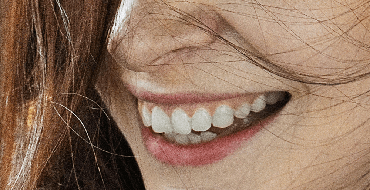

Amelogenesis Imperfecta: Symptoms, Causes, Treatment, and Care Options

Amelogenesis imperfecta (AI)/imperfecta amelogenesis is a group of rare genetic disorders that affect the tooth enamel development of both baby and adult teeth. In some cases, AI is associated with a genetic syndrome. There are four main types of AI that are classified mainly based on how they appear clinically and through radiograph imaging, and by enamel thickness. AI causes significant enamel defects, resulting commonly in discolored, brittle, and thin teeth. Patients with AI typically experience chronic tooth sensitivity and are at an increased risk of tooth decay and damage. Although AI cannot be prevented, it can be effectively managed by dental professionals to restore the strength, function, and appearance of teeth and enhance overall health.
What is Amelogenesis Imperfecta?
Amelogenesis Imperfecta (AI) is a rare dental condition that affects dental enamel formation, leading to irregularly shaped, fragile, thin, and discolored teeth. AI is a genetic disorder that affects both baby and adult teeth. This condition makes teeth more susceptible to sensitivity, tooth decay, damage, and other issues. Management by a dental professional is crucial to protect the health of teeth affected by AI and improve oral health and well-being.
Amelogenesis Imperfecta Types
There are four main types of Amelogenesis Imperfecta, including Hypoplastic AI, Hypomaturation AI, Hypocalcified AI, and Combined AI. These amelogenesis imperfecta types are classified by the appearance and thickness of enamel:
- Hypoplastic AI: The most common type of AI. The enamel layer is thinner than normal, and may appear pitted, grooved, or smooth. Teeth may appear smaller in size and are often discolored.
- Hypomaturation AI: The thickness of enamel is normal. However, it is softer and more brittle due to improper formation. Teeth often appear discolored and are very susceptible to fracture/chipping.
- Hypocalcified AI: Tooth enamel has regular thickness but inadequate minerals, making it severely soft, discolored, and easily lost.
- Combined AI: Characteristics of hypoplastic and hypomaturation AI are present. Teeth are commonly smaller in size, thin, brittle, discolored, and associated with structural abnormalities like enlarged pulp chambers and short roots (taurodontism).
AI types can even be broken down into approximately 20 subtypes, which can be distinguished based on their genetic inheritance patterns, according to research. It is important to note, amelogenesis imperfecta vs dentinogenesis imperfecta are two separate conditions, as the latter is a genetic disorder affecting the formation of dentin.
| AI Type | Key Characteristics |
|---|---|
| Hypoplastic |
|
| Hypomaturation |
|
| Hypocalcified |
|
| Combined |
|
Symptoms of Amelogenesis Imperfecta
Amelogenesis Imperfecta (AI) symptoms include:
- Discolored teeth: Often yellow, brown, or white spots present on enamel.
- Thin opaque tooth enamel: The underlying dentin layer may begin to show through thin enamel.
- Brittle teeth: Extreme tooth wear (attrition) and high susceptibility to fracture/chipping.
- Sensitive teeth: Severe sensitivity to hot, cold, or sweet items. Teeth affected by AI have an increased risk of tooth decay, gum inflammation, and oral infection.
- Abnormal enamel surface texture: Enamel surface may feel soft or pitted.
- Tooth and bite misalignment: AI may cause teeth shifting and is commonly associated with an open bite.
Causes and Risk Factors of Imperfecta Amelogenesis
There are many possible causes of Amelogenesis Imperfecta (AI). The primary cause of AI is genetic mutations in genes involved in enamel development, such as ENAM, AMELX, and FAM20A. AI can be passed from parents to children through autosomal dominant or recessive inheritance patterns. In some cases, AI may be associated with rare genetic syndromes, such as Enamel-Renal Syndrome (ERS). Environmental factors may also play a role in AI. For instance, illness, malnutrition, or exposure to toxins during pregnancy or in early childhood during tooth development have been linked to AI.
Diagnosis of Amelogenesis Imperfecta
Diagnosing Amelogenesis Imperfecta (AI) involves professional evaluation from a dentist through comprehensive dental exams and X-rays. Your dentist will review your family medical and dental history and may recommend a genetic test to confirm the condition and identify inheritance patterns and specific mutations. This also helps rule out other conditions that present with similar findings like environmental enamel hypoplasia. They will evaluate your symptoms and abnormalities in the thickness, color, texture, and strength of your enamel.
Amelogenesis Imperfecta Treatment
Treatment for Amelogenesis Imperfecta (AI) is determined after comprehensive evaluation and confirmed diagnosis of the condition. Multiple dental specialists are often utilized to help manage the condition throughout the patient’s life. Each treatment plan is personalized based on several factors, such as age, type and severity of AI, and patient’s treatment goals. Common amelogenesis imperfecta treatment options include crowns, veneers, and dental bonding for teeth protection and enhanced appearance. In some cases, orthodontics (braces or clear aligners) or tooth extraction and replacement with dental implants may be recommended. Patients with AI have increased risks of decay and other dental issues, requiring frequent dental check-ups and excellent oral hygiene practices to ensure lifelong dental health.
Preventive Care and Oral Hygiene for Amelogenesis Imperfecta Patients
It is essential for patients with Amelogenesis Imperfecta (AI) to focus on preventive care to protect teeth from further damage. Maintain excellent oral hygiene by brushing twice a day and flossing daily to remove harmful bacterial dental plaque. Regular dental checkups, often every 3 to 6 months, are crucial for early detection of issues and proper dental care maintenance. Follow dietary recommendations (i.e. low sugar/acid intake), brushing tips, and any oral health recommendations provided by your dental professional to improve the health of your smile. Professional fluoride treatment (i.e. fluoride varnish) and use of fluoride toothpaste can help manage tooth sensitivity, strengthen teeth, and prevent decay. Dental sealants, which are thin protective coatings applied to the chewing surfaces of the back teeth, may be recommended to prevent decay.
Living with Amelogenesis Imperfecta: How to Manage the Condition
Living with Amelogenesis Imperfecta (AI) requires lifelong management with the help of skilled dental professionals. The expert team of dental specialists at Great Lakes Family Dental Group can enhance quality of life for patients coping with AI. From providing emotional support to effective state-of-the-art treatments that address enamel issues, cumbersome symptoms like tooth sensitivity, and smile appearance, Great Lakes Family Dental Group is right by your side. Call us today at one of our many convenient locations for a consultation and treatment plan that is personalized to your exact needs.
When Should You See a Dentist About Amelogenesis Imperfecta?
Writing Instructions: This subheading should offer advice on when to seek professional care at Great Lakes, including signs that the condition is worsening or that treatment might be necessary.
Schedule your amelogenesis Imperfecta dentist visit with Great Lakes Family Dental Group. Our dental specialists offer several treatment options for AI to protect teeth from further damage and avoid tooth loss. Typical symptoms and signs to see a dentist include sensitive, thin, pitted, grooved, soft, damaged, or discolored tooth enamel. Contact us immediately at Great Lakes for early detection to prevent serious complications and help you maintain a healthy smile.