
Microdontia: What Causes Small Teeth, Symptoms And How It Is Treated
What Is Microdontia?
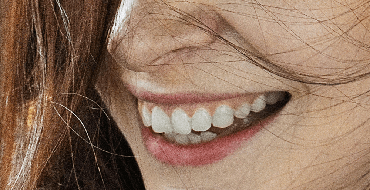
Trying to figure out, ‘what is microdontia?’ We’ve got the answer for you. The common microdontia definition can be described as a small tooth condition, where one or more teeth are smaller than normal. Microdontia can be categorized as localized (one or a few teeth are affected) or generalized (all teeth are affected). Microdontia can also affect baby teeth, adult teeth, or both. Microdontia not only impacts smile appearance but also causes other issues, including increased risk of bite and teeth misalignment, difficulty with chewing and speech, and food traps that promote gum disease and cavities. Your dentist can diagnose microdontia and develop a personalized treatment plan to help protect your smile and improve your oral health.

Types Of Microdontia
There are three main types of microdontia: localized, generalized, and relative generalized microdontia. Each type can hinder the appearance and function of your smile, creating visible gaps between teeth and causing bite issues that can make chewing and proper speech difficult. Here’s what you should know about each type:
Localized Microdontia
Localized microdontia is the most common type, affecting one or a few teeth. Peg lateral teeth (teeth next to the two upper front teeth) are usually the main teeth affected by localized microdontia. Spaces created by localized microdontia usually cause bite issues and teeth shifting, requiring dental treatment to correct.
Generalized Microdontia
Generalized microdontia is a rare condition that impacts all teeth. In this condition, every tooth in the mouth is smaller than average. This is commonly linked to genetic conditions like growth hormone deficiency. Generalized microdontia typically creates multiple gaps between teeth, leading to many dental issues.
Relative Generalized Microdontia
Relative generalized microdontia is another uncommon condition that impacts all the teeth. However, teeth are normal in size but look small due to a larger-than-normal jaw size. This leads to spacing between teeth and requires professional treatment to improve smile function and appearance.
Types of Microdontia vs Characteristics
| Type of Microdontia | Common Characteristics |
|---|---|
| Localized Microdontia |
|
| Generalized Microdontia |
|
| Relative Generalized Microdontia |
|
What Causes Microdontia?
There are several possible microdontia causes, which can vary by patient. Small teeth causes are usually categorized into genetic, developmental, or environmental causes. It is important to distinguish that although poor oral hygiene can lead to tooth decay and enamel loss, making teeth appear smaller in size, it cannot impact the teeth or jaws to grow smaller during development.
Genetic Factors
The genetic causes of microdontia are typically inherited and run in families. Certain genetic conditions, like growth hormone deficiency, are commonly associated with microdontia. Research suggests that microdontia may also be linked to mutations affecting tooth development genes.
Developmental And Medical Conditions
Certain developmental and medical conditions have been linked to microdontia. Genetic conditions, including ectodermal dysplasia, Down syndrome, and cleft lip or palate, are frequently associated with microdontia.
Environmental Factors
Environmental factors such as chemotherapy or radiation during tooth development can impact tooth size. Certain childhood infections or nutritional deficiencies during tooth development may affect enamel formation and be linked to microdontia.
Common Symptoms And Signs Of Microdontia
Symptoms and signs of microdontia should not be ignored. Small tooth gaps can cause both cosmetic and oral health concerns that should be addressed by a dental professional. Evaluate your smile for these common signs and symptoms:
Visible Microdontia Symptoms and Signs
- Abnormally small teeth: Check your smile to see if one, a few, or all teeth are visibly smaller than normal.
- Peg-shaped lateral incisors: The upper lateral incisors (teeth next to the two upper front teeth) may be smaller in size and have a tapered appearance.
- Visible gaps (diastemas): Spaces between teeth are common if teeth are smaller or the jaw is bigger than average.
- Smile asymmetry: Your smile may appear unbalanced or asymmetrical due to the presence of small teeth.
Functional and Oral Health Symptoms and Signs
- Bite/teeth misalignment: Small teeth frequently cause teeth misalignment and prevent the teeth from coming together properly when biting.
- Difficulty chewing: Bite misalignment from small teeth can make chewing challenging.
- Speech difficulties: Speech may be negatively impacted due to gaps and teeth misalignment related to microdontia.
- Food impaction: Gaps between teeth can trap food and increase risks of tooth decay, gum disease, and other oral health issues.
How Microdontia Can Impact Oral Health And Confidence?
The appearance of small teeth can negatively impact self-confidence and emotional well-being. The effects of microdontia can even go beyond cosmetic dental concerns. Microdontia also causes functional risks like bite issues, tooth damage, difficulty chewing, speech impediments, tooth decay, gum disease, and jaw issues (temporomandibular joint disorders). Small teeth oral health should be addressed early to avoid more serious, invasive, and costly dental treatments in the future. Early treatment can help improve bite and teeth alignment and boost self-esteem.
How Dentists Diagnose Microdontia?
A dental exam for small teeth is necessary to provide an accurate microdontia diagnosis. Your dental professional will visually inspect your oral cavity during the clinical exam and identify any small or abnormally shaped teeth. They will also examine any signs or symptoms caused by microdontia, such as tooth spacing, bite misalignment, and enamel wear. Dental X-rays will be used to confirm the diagnosis and detect any additional oral health issues. Routine dental visits are crucial to detect issues like microdontia early to prevent long-term complications like severe bite or tooth misalignment, gum disease, and tooth decay.
Microdontia Treatment Options
A microdontia treatment plan is tailored to each individual person and their unique dental needs. Treatment options can vary from conservative to advanced, based on factors such as the patient’s age, case complexity, small tooth location, and cosmetic goals. In some cases, treatment may not be required if oral health is not in jeopardy.
Dental Bonding
Dental bonding for small teeth is a fast and cost-effective option. A tooth-colored restorative material is directly bonded to teeth to improve tooth size and shape. Dental bonding is typically recommended as a reversible temporary treatment option for mild microdontia cases.
Porcelain Veneers
Veneers for small teeth are a great long-term cosmetic solution. Veneers cover the front surface of a tooth and can improve tooth size, color, and shape, and close gaps.
Dental Crowns
Dental crowns cover all surfaces of the tooth and are designed to resemble natural teeth and restore tooth strength. Dental crowns may be recommended for very small teeth, such as peg laterals, or teeth with severe structural damage.
Orthodontic Treatment
Orthodontics for microdontia, including braces or clear aligners, may be recommended to improve smile function and cosmetics. Orthodontic treatment can help position teeth into their proper positions, managing irregular spacing, crowding, and bite issues. Orthodontics is typically combined with cosmetic treatments to restore small teeth. Depending on your specific case, cosmetic restorations may either be completed before or after orthodontics.
Choosing The Right Microdontia Treatment
Choosing the best treatment for microdontia starts with a comprehensive dental examination. Your dentist will thoroughly evaluate your smile and factors such as your oral health, medical and dental history, age, cosmetic goals, and the complexity of your bite and teeth condition when creating a personalized treatment plan. Your dentist will guide restorative and cosmetic dentistry planning that is individualized to your exact needs.
Microdontia In Children vs Adults
Microdontia impacts both children and adults, but there are key treatment differences to understand. Microdontia in children may be monitored with routine check-ups by the dentist since their teeth and jaws are still growing. It is recommended to have children evaluated around age 7 with an orthodontist to evaluate tooth development and determine if early treatment is necessary to prevent future issues. If treatment is needed, both child and adult microdontia treatment will likely involve multidisciplinary care, including orthodontics and cosmetic dentistry. Temporary restorations like bonding may be used in children until growth is complete, when more permanent restorations can be placed, such as veneers or crowns.
Children vs. Adult Microdontia Treatment
| Feature | Children | Adults |
|---|---|---|
| Treatment Goals |
|
|
| Treatment Approach |
|
|
| Key Treatments |
|
|
| Treatment Timing |
|
|
Can Microdontia Be Prevented?
It is typically not possible to prevent microdontia, as the condition is heavily influenced by genetic and developmental factors. However, early dental care can help address the functional and cosmetic effects of microdontia. Microdontia can be managed effectively by your dental professionals with restorative treatments like dental veneers, crowns, or bonding. It is important to take protective measures during tooth development, including maintaining routine dental check-ups and orthodontic monitoring visits, good oral hygiene habits, and a healthy diet.
When To See A Dentist For Small Teeth
Don’t know when to treat microdontia? There are certain signs to look out for that indicate when to visit a dentist for small teeth. Early evaluation allows dentists to diagnose and address potential issues before they cause long-term complications. Consult with your dentist about small teeth if you experience:
- Difficulty chewing
- Misaligned bite or teeth (i.e., crowding, overbite, crossbite, underbite)
- Speech issues
- Jaw pain, tenderness, or clicking sounds
- Teeth gaps (diastemas)
- Teeth grinding or clenching (bruxism)
- Decreased self-esteem due to tooth size/smile appearance
How Great Lakes Family Dental Group Can Help?
Great Lakes Family Dental Group's cosmetic dentistry and restorative services can transform your smile. Our team of experienced and patient-focused dental specialists will properly diagnose and develop a tailored treatment plan to address all your dental needs. We provide full-service care using modern technology, with numerous treatment options to correct microdontia, including veneers, crowns, dental bonding, and orthodontics. Schedule a consultation today at Great Lakes Family Dental Group with a microdontia treatment dentist you can trust.